






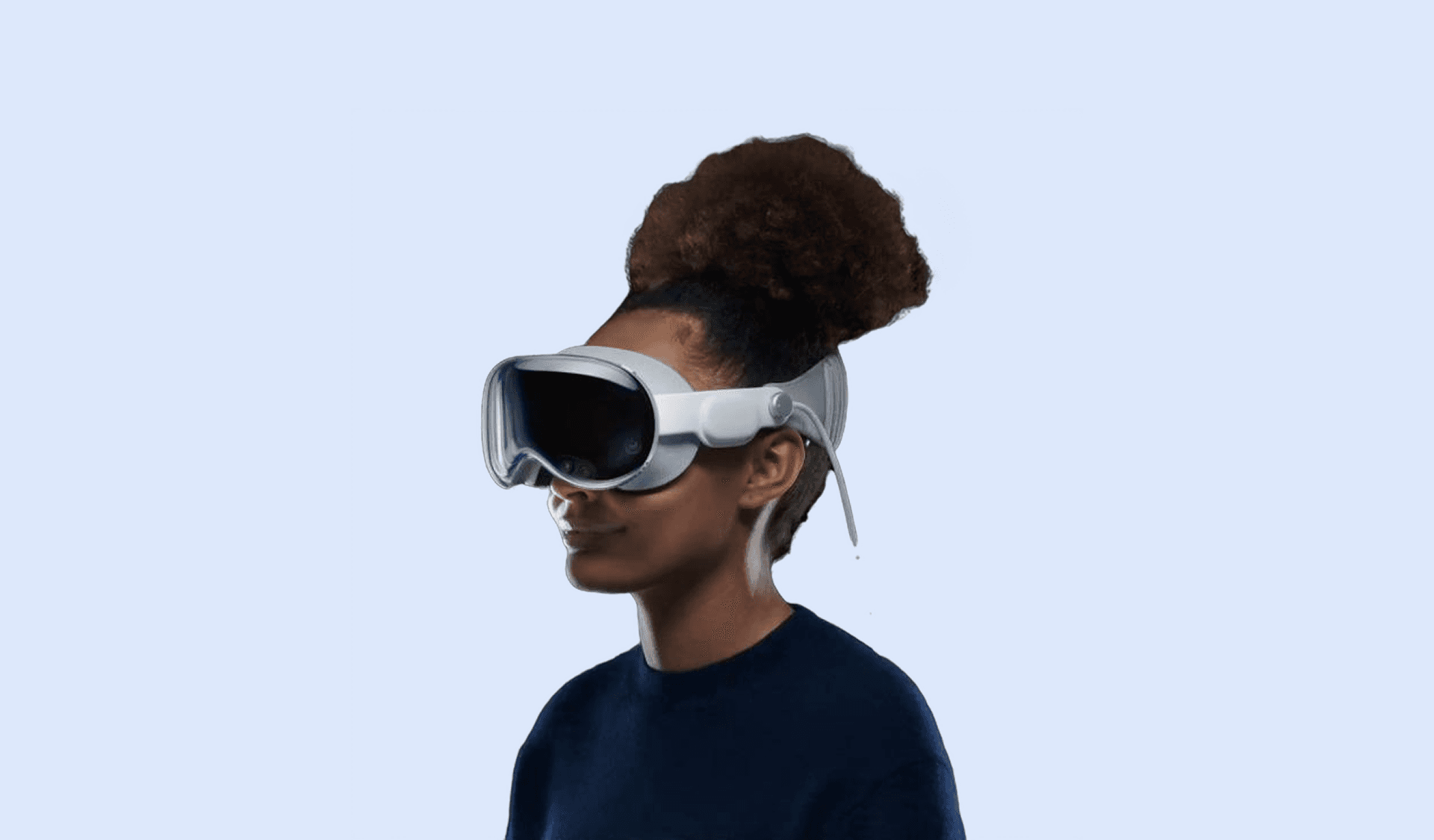
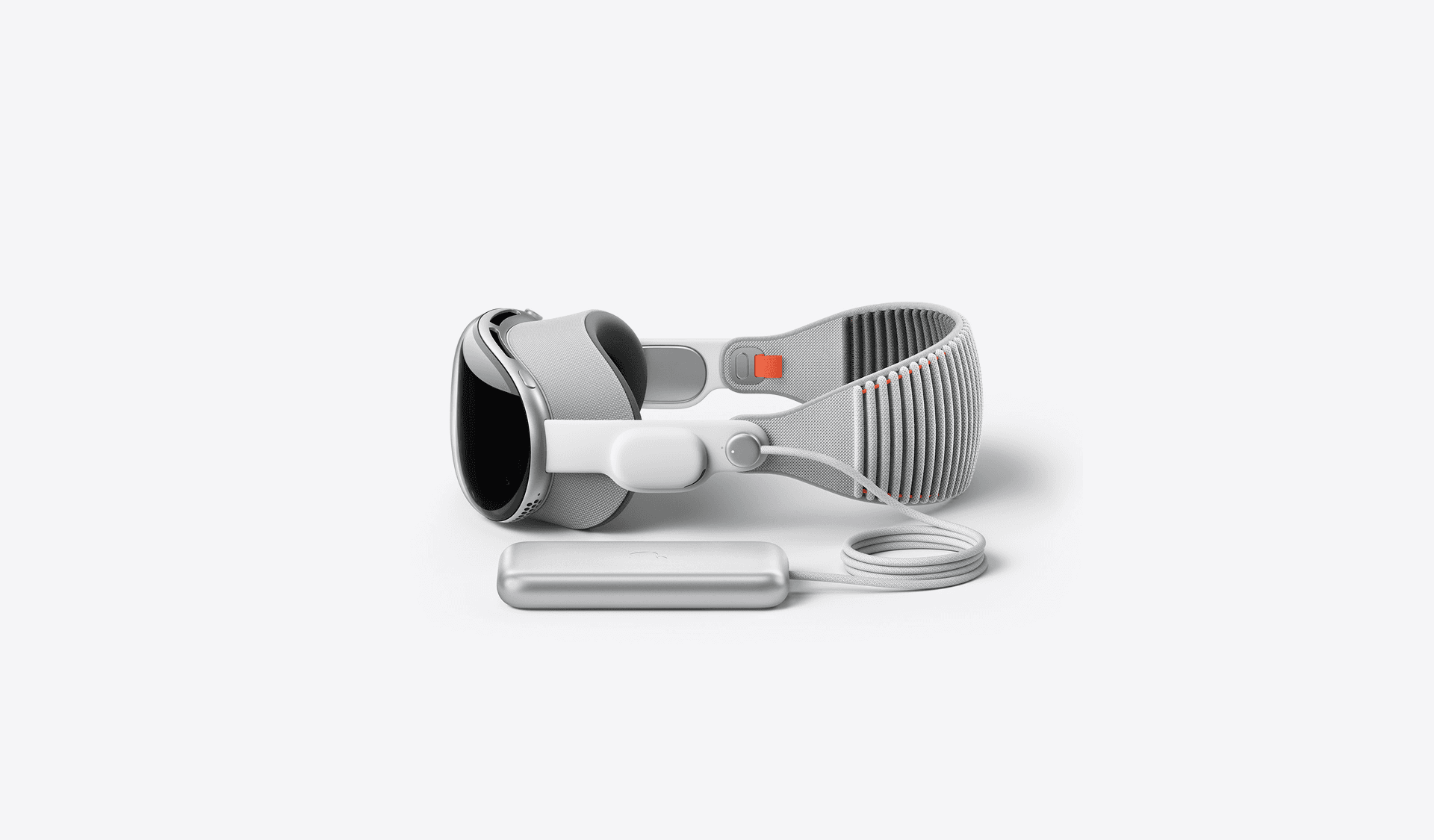
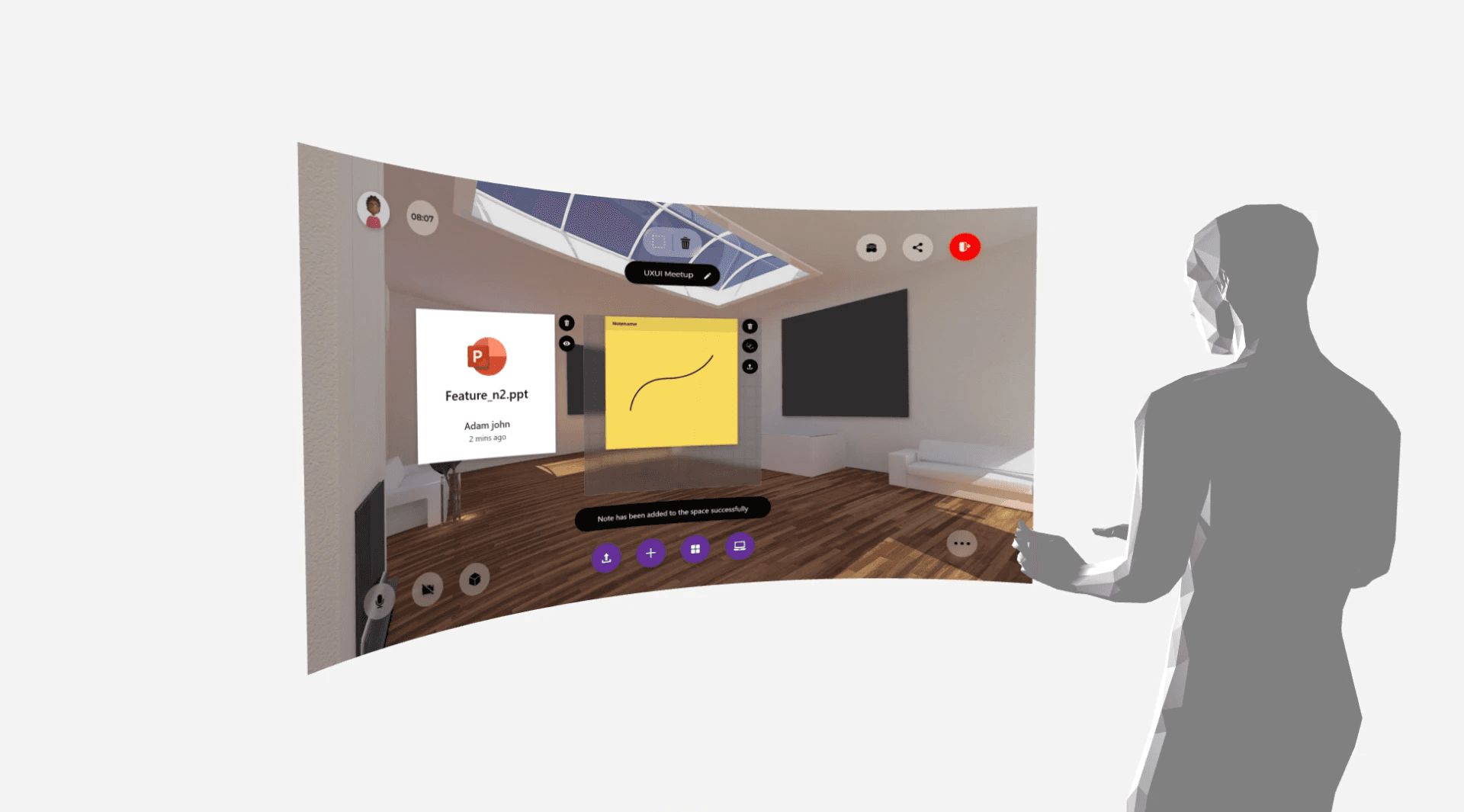
The VR Collaboration workspace transformed remote teamwork by enhancing presence with spatial audio and modular tools. This led to a 28% boost in session engagement, 22% shorter meetings, and a 35% drop in virtual fatigue.

Problem
Focus group research with seven participants across product management, design, and engineering roles revealed critical pain points impacting remote collaboration effectiveness.
Video fatigue affected 78% of users, while 62% struggled to maintain focus without proper visual and spatial cues that naturally occur in physical meetings. Fragmented workflows created significant inefficiency, with 71% of participants reporting wasted time toggling between multiple screens and applications during collaborative sessions.
Extended headset usage presented comfort challenges, with 22% of users experiencing increased discomfort during longer VR sessions.
These issues collectively undermined the potential for VR technology to enhance team productivity and collaboration, highlighting the need for a more integrated and user-friendly virtual workspace solution that could address both technical limitations and user experience concerns while maintaining the immersive benefits of VR collaboration.
Solution
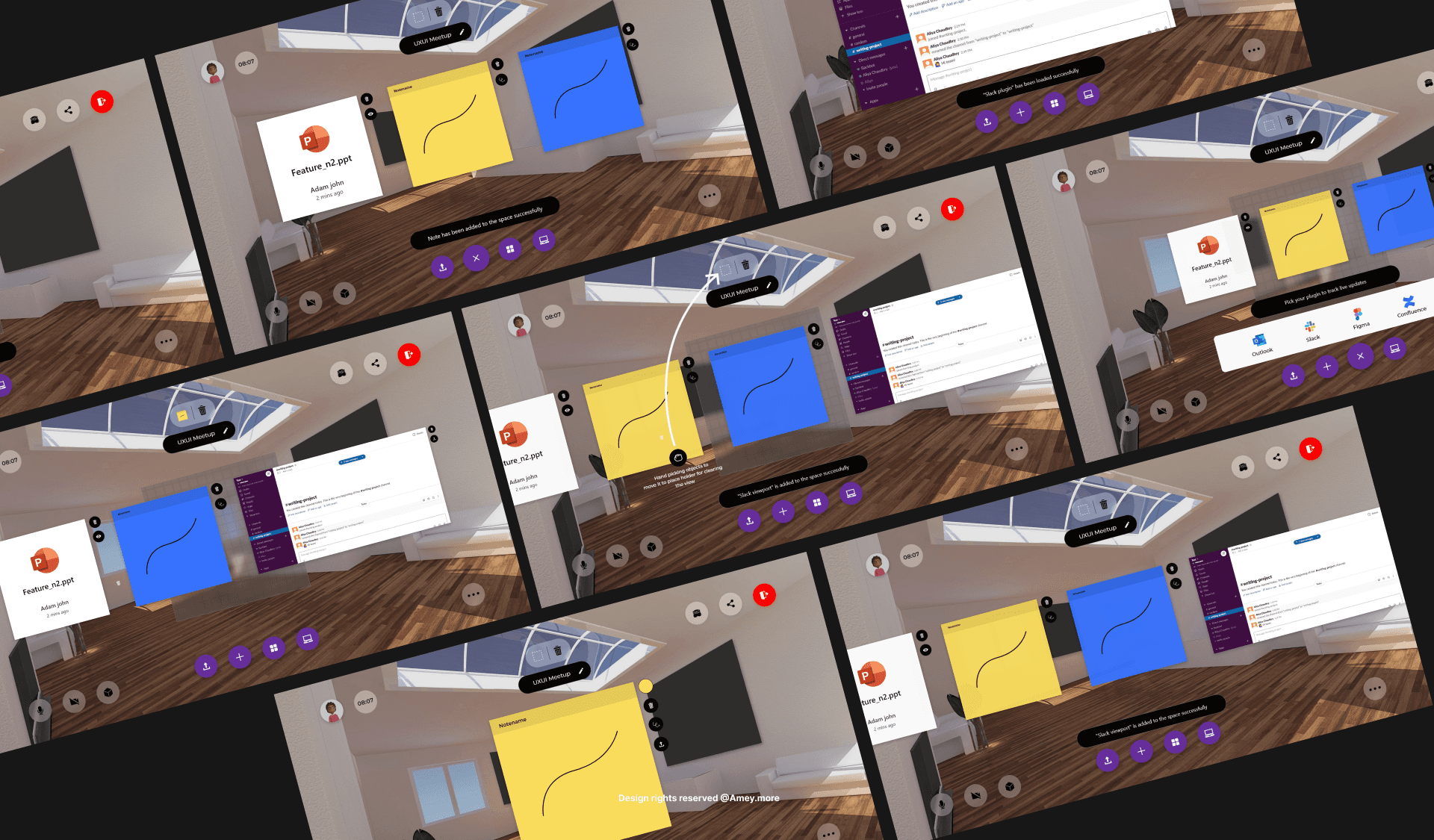
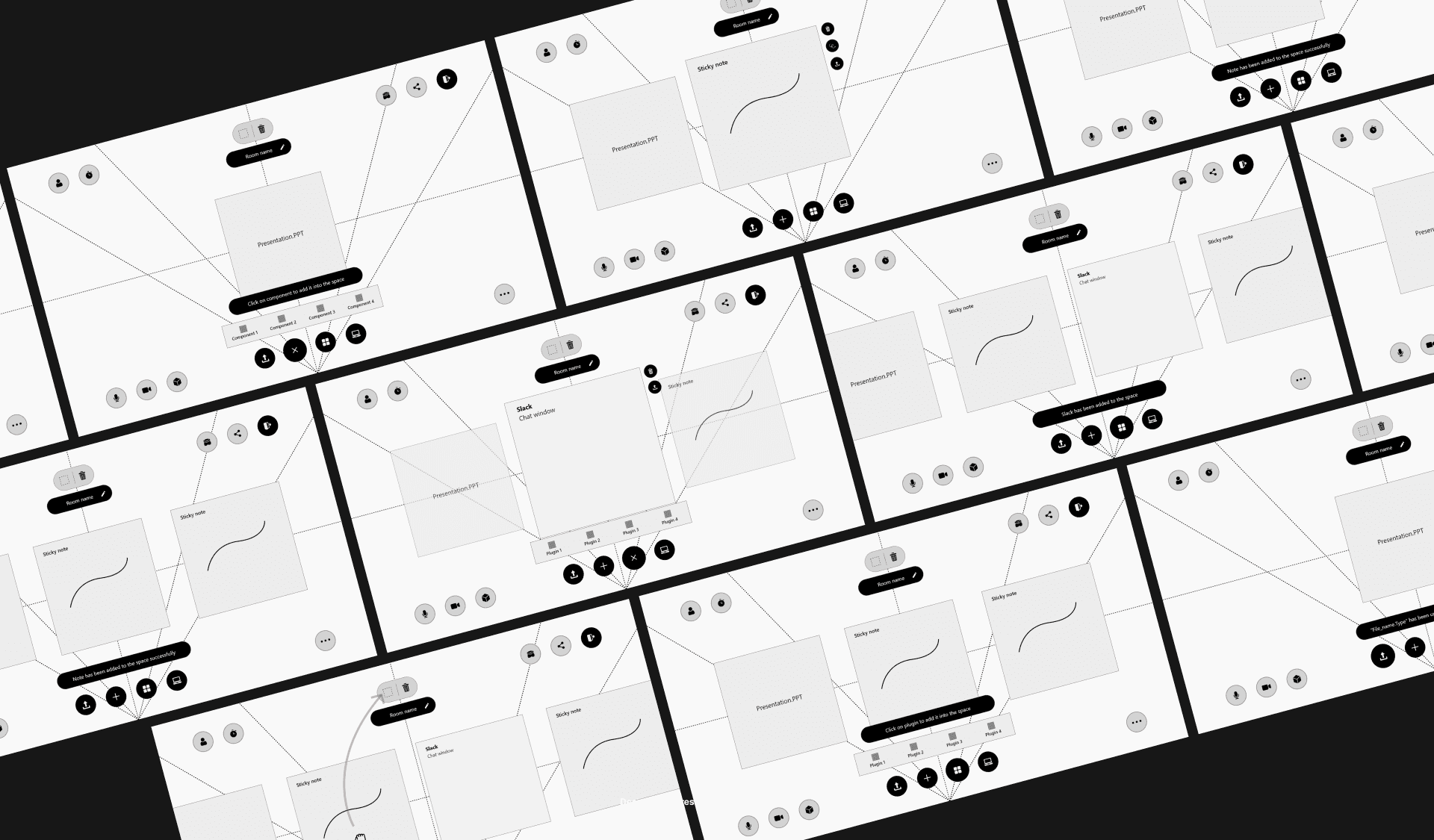
The design approach centered on creating clear workflows that supported both synchronous and asynchronous collaboration patterns while incorporating visual cues and interactions that mimicked real-world meeting dynamics.