







Concept and Words
|
By Amey More
BYODS - Build your own product strategy
Stay connected with us
Learn more about high-performance web design follow us on Twitter and Instagram.


In the last 4 years. I have been a part of shipping 10+ products from ideation to development and further into the real world. I enjoyed every bit of the journey, where sometimes I was a solo designer taking care of the entire product design cycle to build, managing a team of 4+, and then coupling them together to work on a product system. Products shipped cover a wide range of categories, including architecture and engineering domain (AEC), PaaS, and public infrastructure domains. I am now in charge of Walmart’s entire supply chain, which includes 120+ products that serve the needs of 200k users in 9 countries.
Throughout the experience, I learned that sticking to a single design process will not help in the long run if you are serious about delivering sustainable products that truly impact people’s lives.
Before we jump on the core part of this blog, First, let’s understand what the main difference between product design and user experience design is. Product design broadly takes care of the entire product design cycle, taking care of bits from UX, collaborating with other teams, product management, business needs, etc. User experience, on the other hand, takes care of the user facing experience of a product. They are more focused on designing bits.
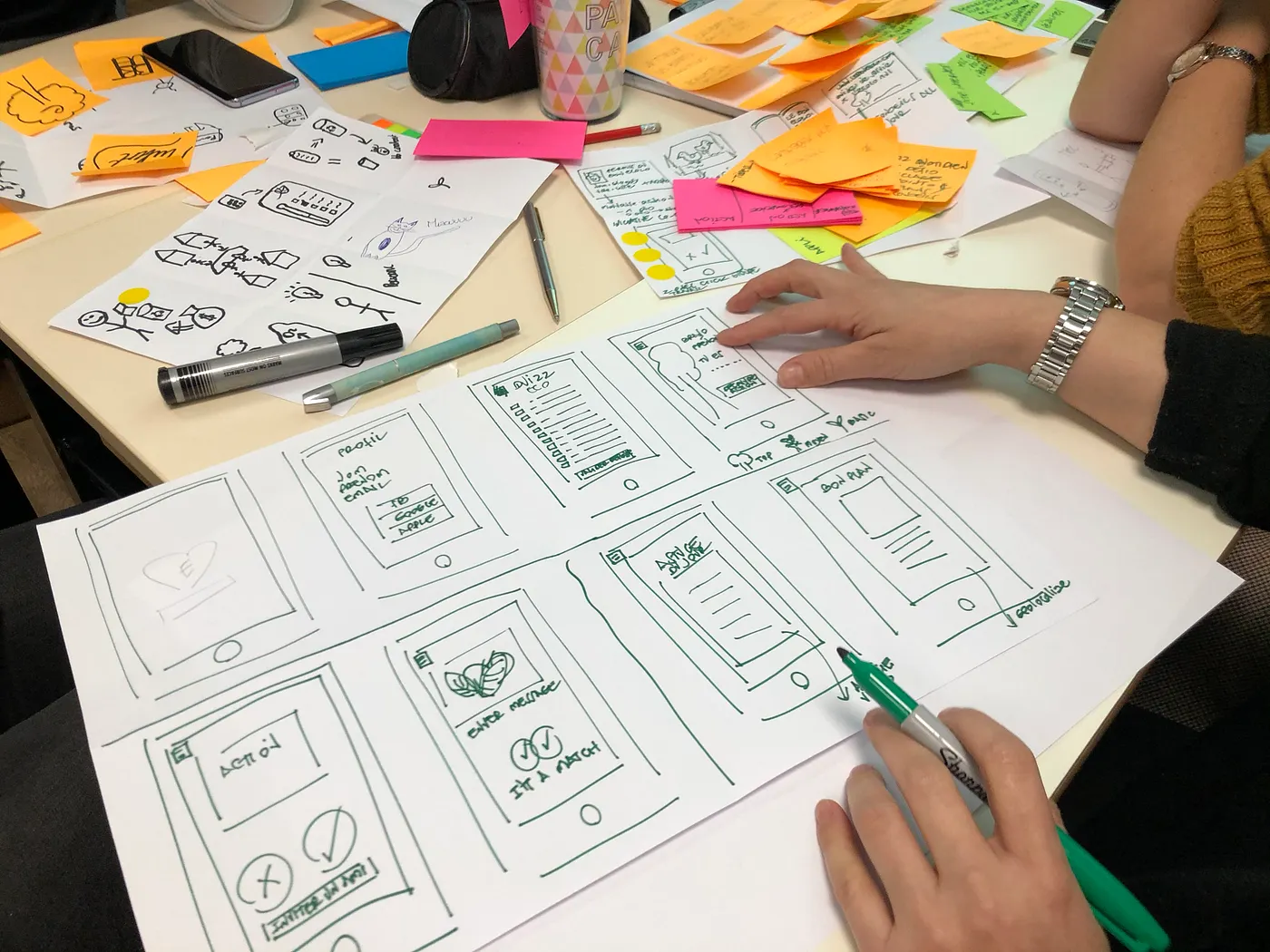
Photo by Amélie Mourichon on Unsplash
Over time, I developed my own product recipe, which nearly saved me in the most complex solution building activities. I call it product cheat-code.
1. Understand what you’re designing.
In the digital world, business level products have two main categories. B2C (business to consumers), B2B (business to business).
One is designed to meet the specific needs of a bunch of consumers (e.g., Swiggy — food ordering activity, Porter — goods shipment, Uber — mobility; etc.) Other deals with organizational needs, business needs, and diversity (e.g., Salesforce, Slack, Skype, Adobe suites, etc.).

hoto by Green Chameleon on Unsplash
2. Know what’s worth doing?
To be clear, you cannot solve all problems at once, nor are all problems worthwhile of solving.Identifying what’s in there for you would solve 80% of the work burden while working on a project. Know your stakeholders: users, business, and development. Engage with them and empathize with them.Plan your research
Prioritize problems — debrief research, empathize with feedback, map business needs, Interact with the team. Plan and decide — Build a design approach (Lean, Agile, Design Thinking, 2 Diamonds, etc.), Set a timeline, plan the activities.

Photo by Kelly Sikkema on Unsplash
3. Know what value you are adding?
A product that never had any vision is just an idea that took shape for a while and sits in a drawer. Benchmarking your product will undoubtedly assist you in locating the north star.
Know your stage — competitive analysis, business goals, and user goals. Make your products market-ready by researching product offerings, deciding on features, and deciding on services and platforms. Monetization: Know your customer base, learn their geographical needs, how money should come in, and how business can be made through offerings.

Photo by Karsten Winegeart on Unsplash
Once you understand the cheat code shared above, you can choose which method to use because not all of your identified problems will be solved through sprints; some may require a lean approach as well. Sticking to design thinking for every solution is total bullshit.