







Concept and Words
|
By Amey More
Metaverse in banking sector
Stay connected with us
Learn more about high-performance web design follow us on Twitter and Instagram.


Currently, the Metaverse is relegated to the gaming space, with games like Decentraland and devices like the Oculus Rift and the PSVR 2 seeing steady growth. The gaming industry even racked up global revenue worth $154 billion in 2021, which is no small feat for an industry that gained popularity only recently.

Photo by David Dvořáček on Unsplash
However, the next frontier for Metaverse-related technology could be the banking industry.
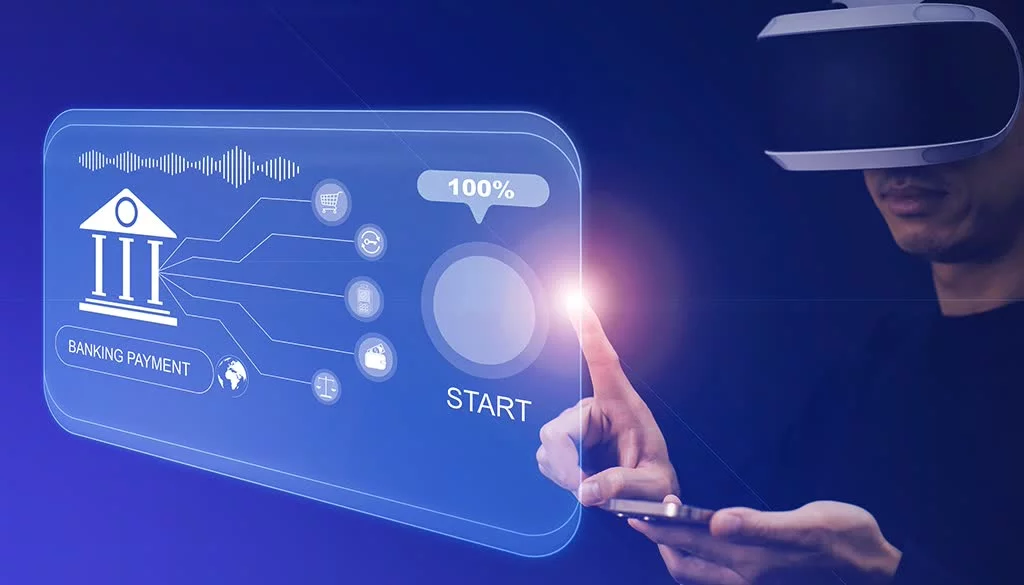
Experts predict that the Metaverse can completely revitalize the work and perception of banking. And it’s not hard to see why; you could visit your bank without stepping out of your home, just pop on a VR device and you’re there! Sensing the opportunity, many banks have already begun exploring metaverse and blockchain technology. Acorns, a leading American FinTech company, already provides a debit card with an AR technology implanted in it that can be viewed through a smartphone.
Metaverse’s NFT- and cryptocurrency-fuelled boom a gold mine for banking and finance sector
Some big players are entering into market

The first bank to enter the Metaverse with much fanfare was JP Morgan earlier this year. The US investment giant took a large plot in Decentraland and boasts a prowling tiger as a feature in its Onyx Lounge.
Since then, South Korea’s Kookmin Bank has opened up its customer service options by providing one-to-one consultations in the Metaverse.
HSBC then followed, opening a branch in the established Sandbox region of the Metaverse, while the UK-based payments fintech Sokin recently announced its imminent foray into the augmented reality platform.
The fortunes Metaverse would bring to banking
Metaverse has the potential to make improvements and optimize the banking experience for people in many ways. Some of these improvements will have a monumental impact, while others will work behind the scenes to augment customer experiences.
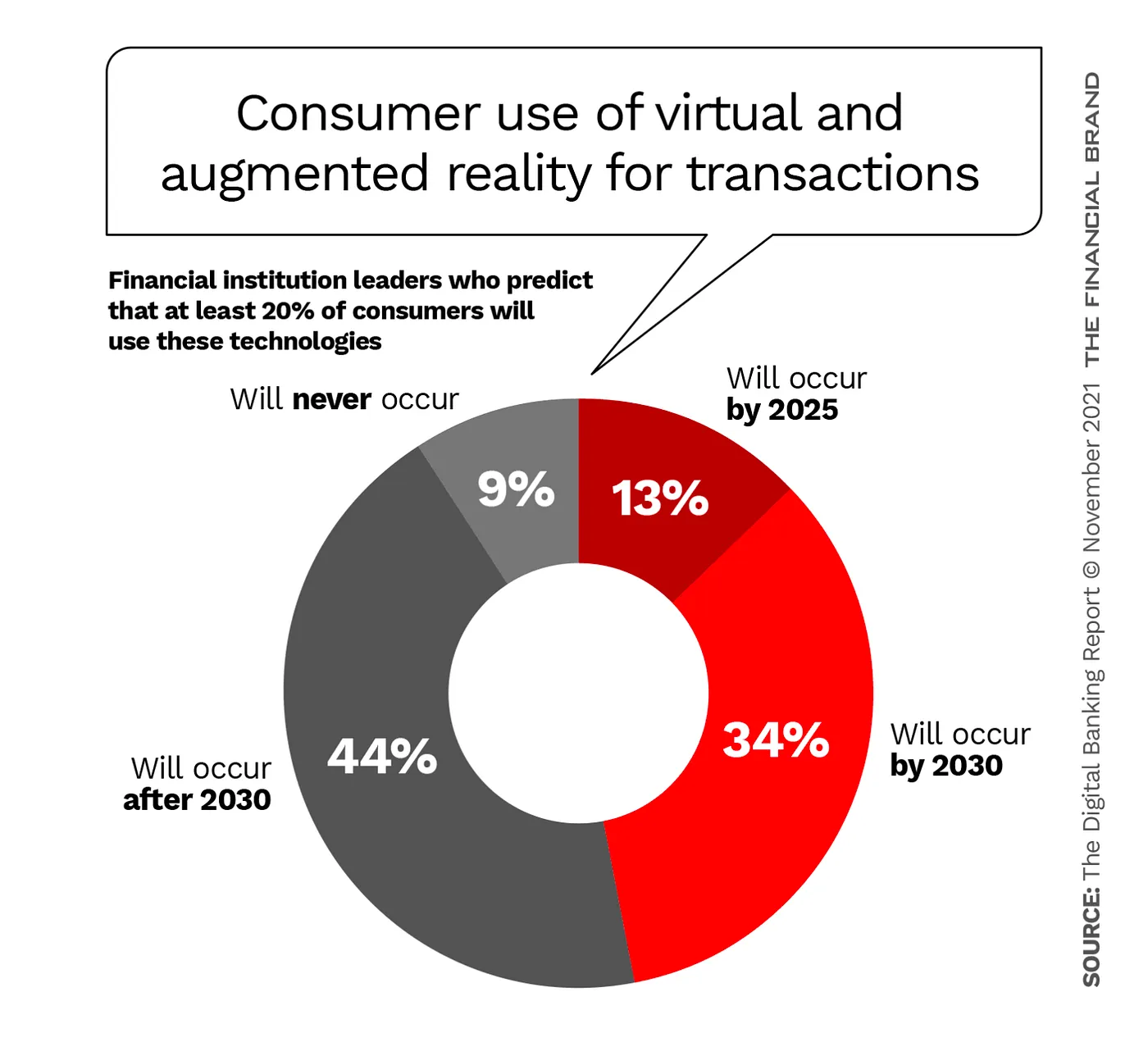
Bankers agree with this expectation. Research by the Digital Banking Report in the fall of 2021 found that almost half of financial services executives polled believe that one out of five consumers will use virtual or augmented reality technology for daily transactions — not just for gaming, in other words.
Writing in Medium, IT and security firm Raon notes that a major Korean bank, Kookmin Bank, this year created a “virtual town” on a Metaverse platform.
“The virtual financial town consists of three spaces: (1) a Financial and Business Center, (2) a Telecommuting Center, (3) a Playground,” the blog reads. “The financial and business center is composed of branches, public relations and recruitment booths, auditoriums, and social spaces.” As the article explains, the telecommuting center was designed to facilitate communication between telecommuters and office workers, and the playground consists of “resting areas such as parks.
NFT interaction in the Metaverse
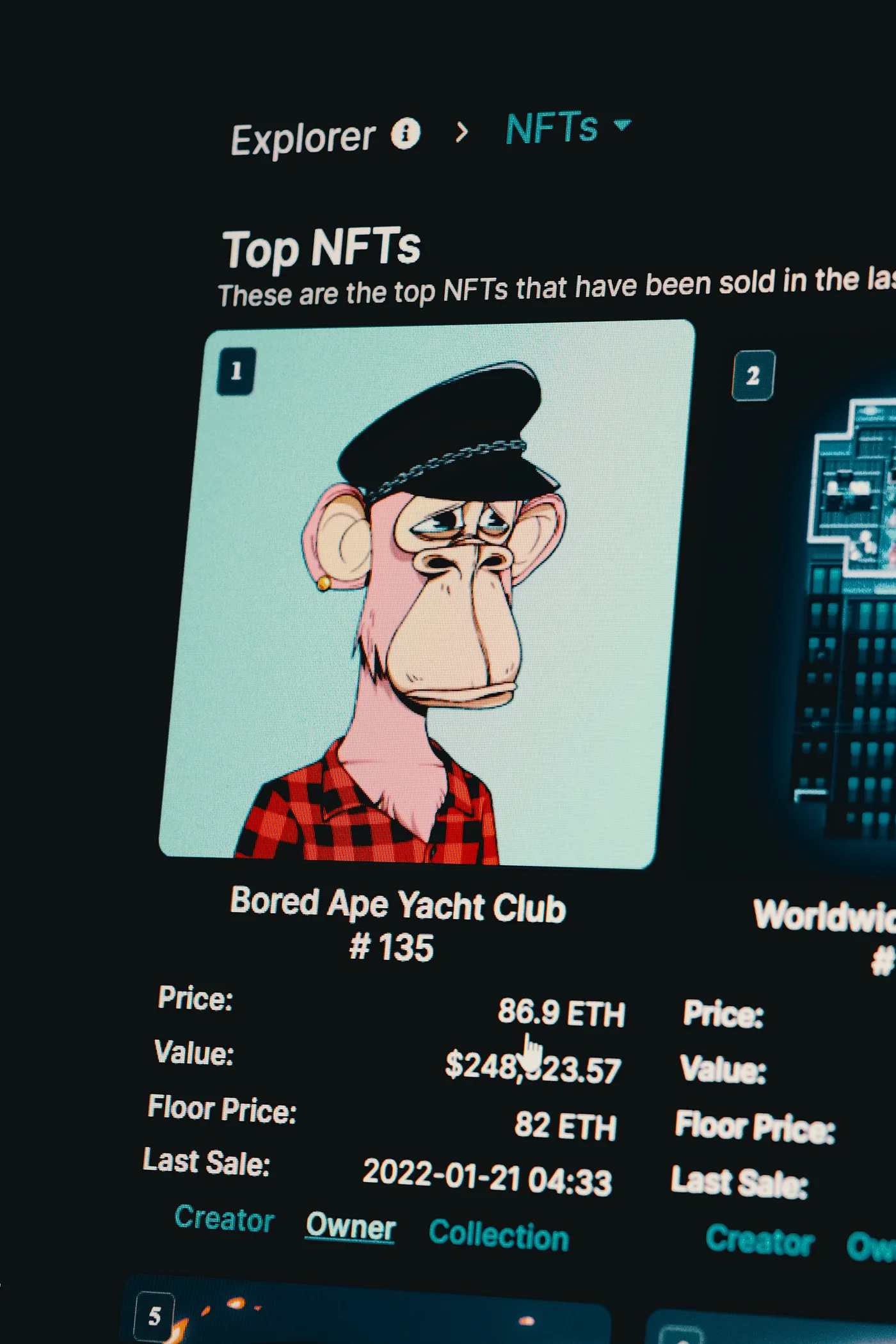
Users can have complete control over their digital assets in the Metaverse, thanks to NFTs. Blockchain technology provides immutable confirmation of ownership that underpins these virtual worlds.
Crypto interaction in the Metaverse
Cryptocurrencies are the Metaverse’s money, and each Metaverse has its own set of coins. They’re used to paying for everything, including NFTs, virtual real estate, avatar shoes, and more.
Reimagining the banking experience
As part of a personal initiative, a team of 5 UX/UI designers teamed up together to work on reimagining the banking experience in Metaverse. This 3-week activity was carried away with quick design sprints followed by ideate — build — iterate.

What were we solving?
In today’s digital world, customers are becoming more tech-savvy. With technology advancing rapidly and banking features becoming available at a touch of a button, customers expect banking to be easier and faster, while keeping the same level of high-quality products and services. As technology has leveraged on the accessibility for people, especially in the finance sector, digital platforms have changed the transaction scenario completely. We started pivoting our curiosity around.
How we can improvise the Digital payment experience for customers through a virtual environment?
With this statement we began our research to identify possible loopholes in the current platforms.
Following the earlier footstep
We carried away with a survey understanding what the current digital payment experience looks like. Surveys help us to discover unknown scenarios/situations that users encounter while making a digital payment through UPI/Net banking & other channels.
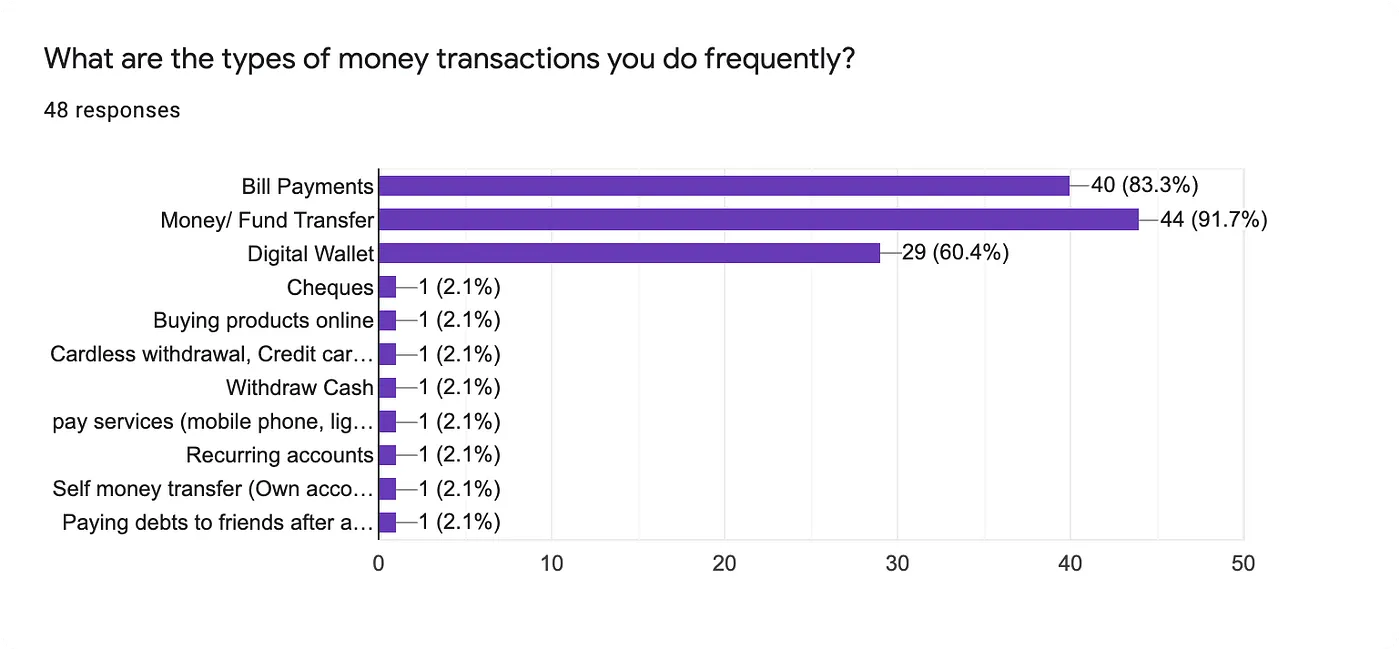
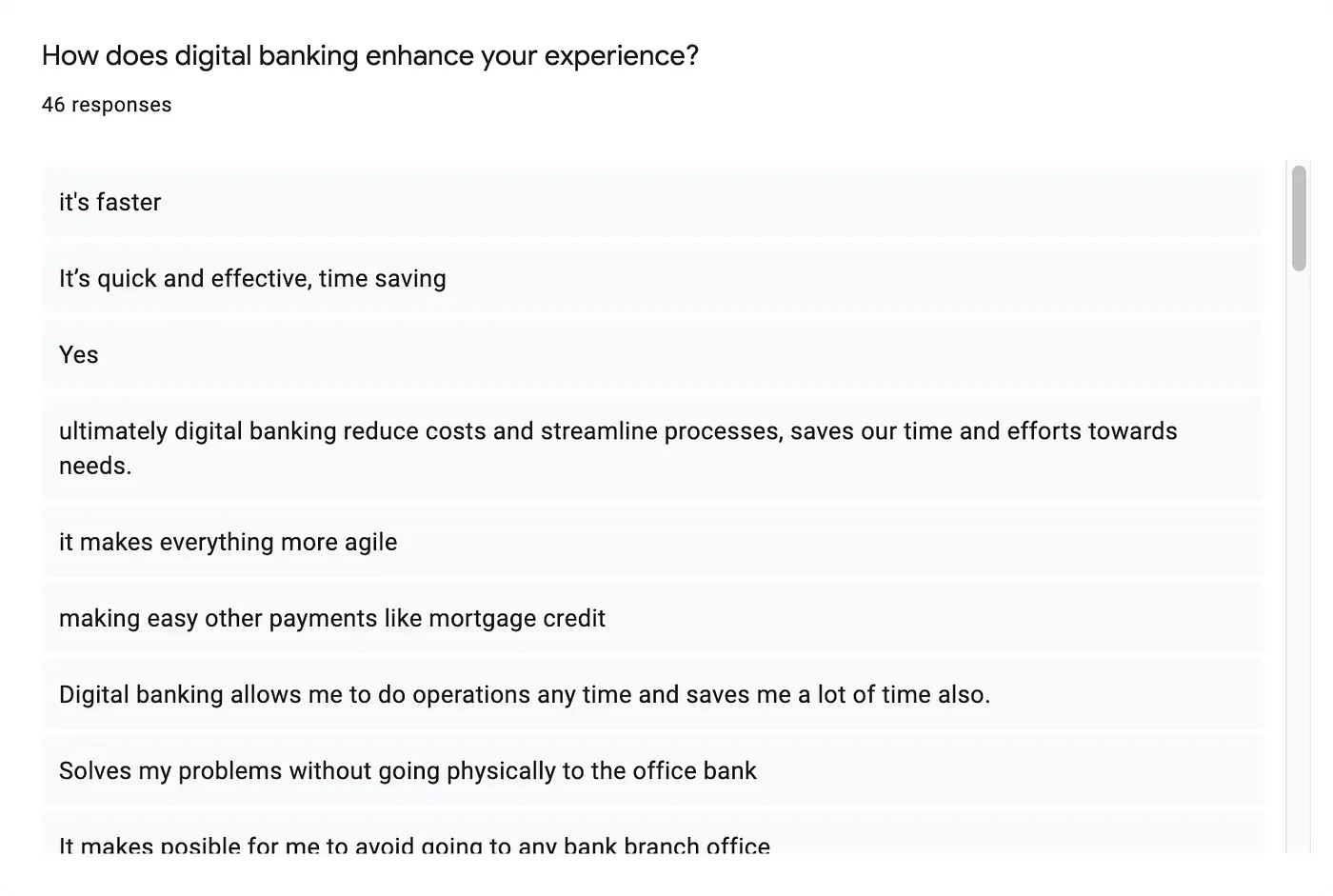
We proceed further to map down the most crucial challenges users encounter while making digital payments on current platforms.
Adding beneficiaries is a pain.
Waiting period is longer after adding beneficiaries
Too many steps to take transactions
How did we solve the problems with the help of DESIGN?

Define: We began with empathizing on the digital payment journey & prioritized high level challenges that design needed to answer through solution
Design: We then proceed further with some explorative brainstorming sessions which lead us to map down the possible contextual scenarios/situations which users might encounter while interacting with the platform to meet the desired goals.
Develop: After forming the architecture, we then proceed with narrating the journey through a storyboard. It gave us a chance to decorate the scenario on paper & iterate for maximum engagement within the constraints of the virtual environment. We redefined the navigational journey after finalizing on the storyboard & task flow.
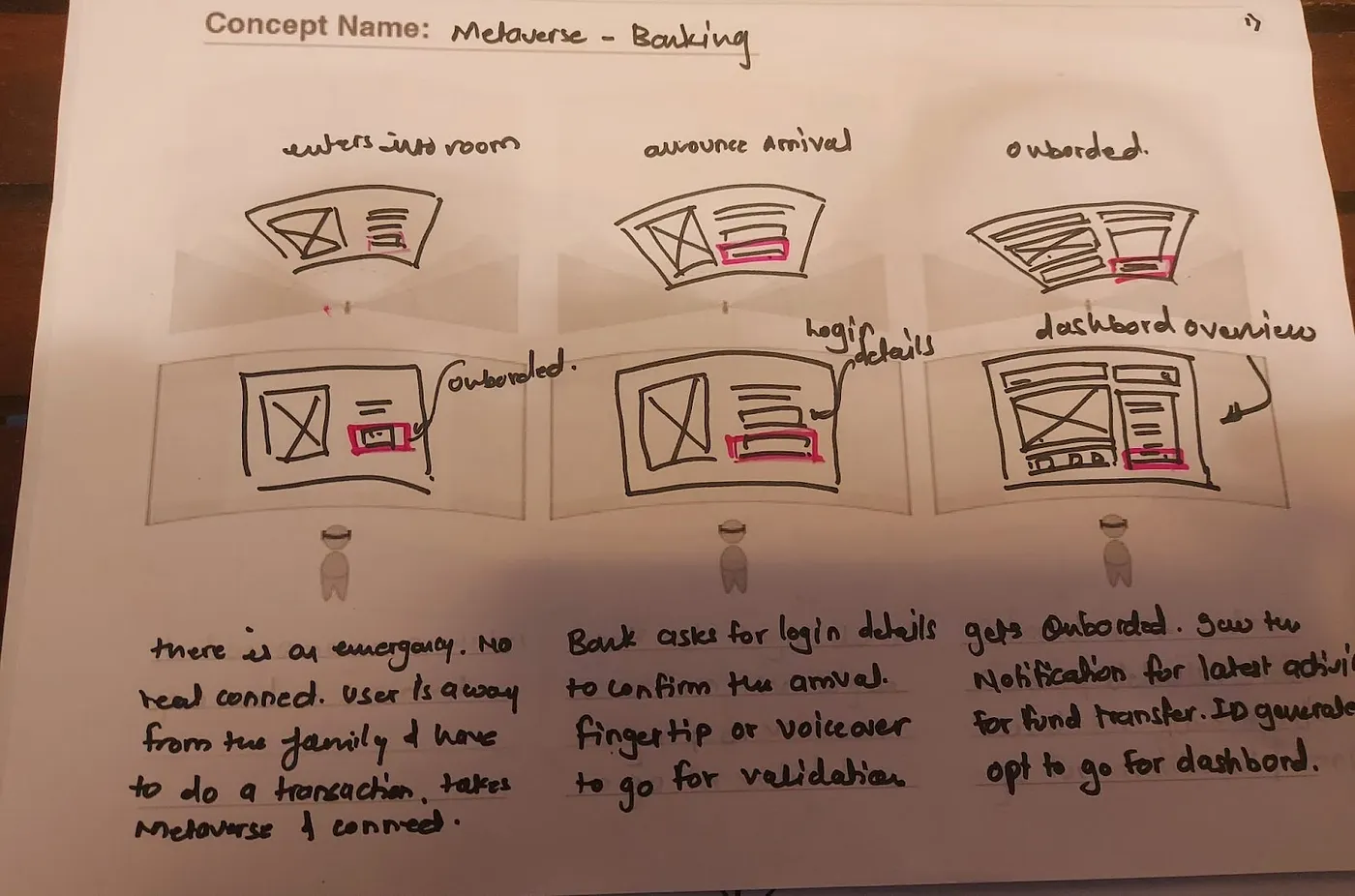
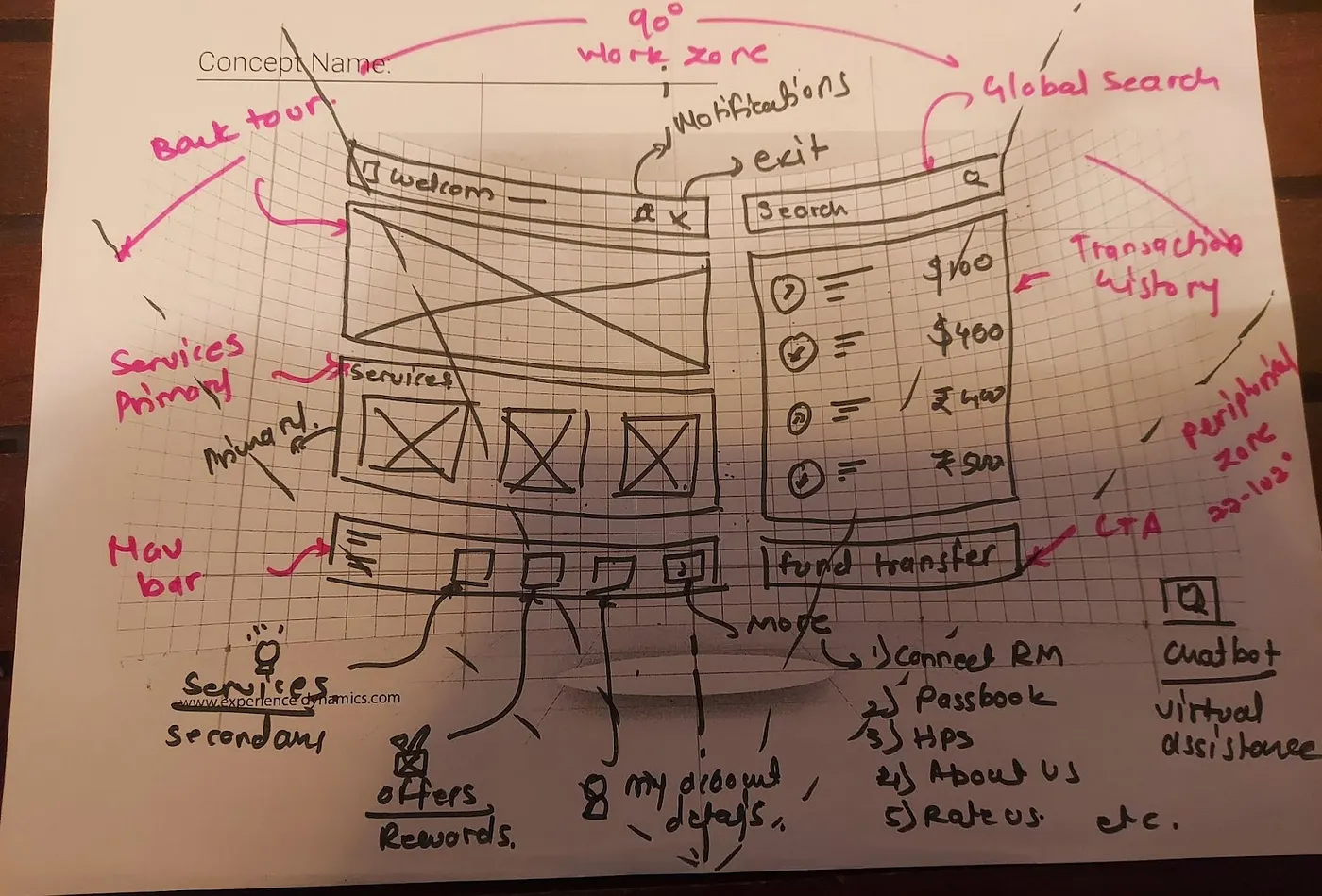
Deliver: We took our storyboard along with the task flow ahead & worked on Low fidelity & High-Fidelity wireframes. The prototype is made with the XR plugin on Adobe XD.
Takeaways
As a team, it was our first collaborative attempt to work on Metaverse. We took this opportunity as a learning curve. Summarizing our learning below.
1.Immersive technology is an open canvas
Fail- Iterate — Learn is what we would like to define as the meaning of an immersive platform.
2.Empathy, Imagination, Storytelling are the main ingredients
More than ingredients, they also help you to create a lasting memory for users once they jump off from the virtual world to the real world.
The conclusion
1. Develop the technological competencies
Financial companies will gradually have to become tech companies. If they don’t, then in the case of global digitalization, it would become very difficult to constantly manage and develop their digital products.
2. Adopt a disruptive inner culture
A bank can keep up with technological innovations if it adopts a disruptive company culture. This way of thinking and operating allows it to be flexible and adapt to any new technological and customer trends.
3. Be agile towards changing customer expectations.
To be ready to adapt, it’s important to constantly monitor and detect any change in the digital behavior of the customers and have the technological resources to adapt to it quickly and efficiently.
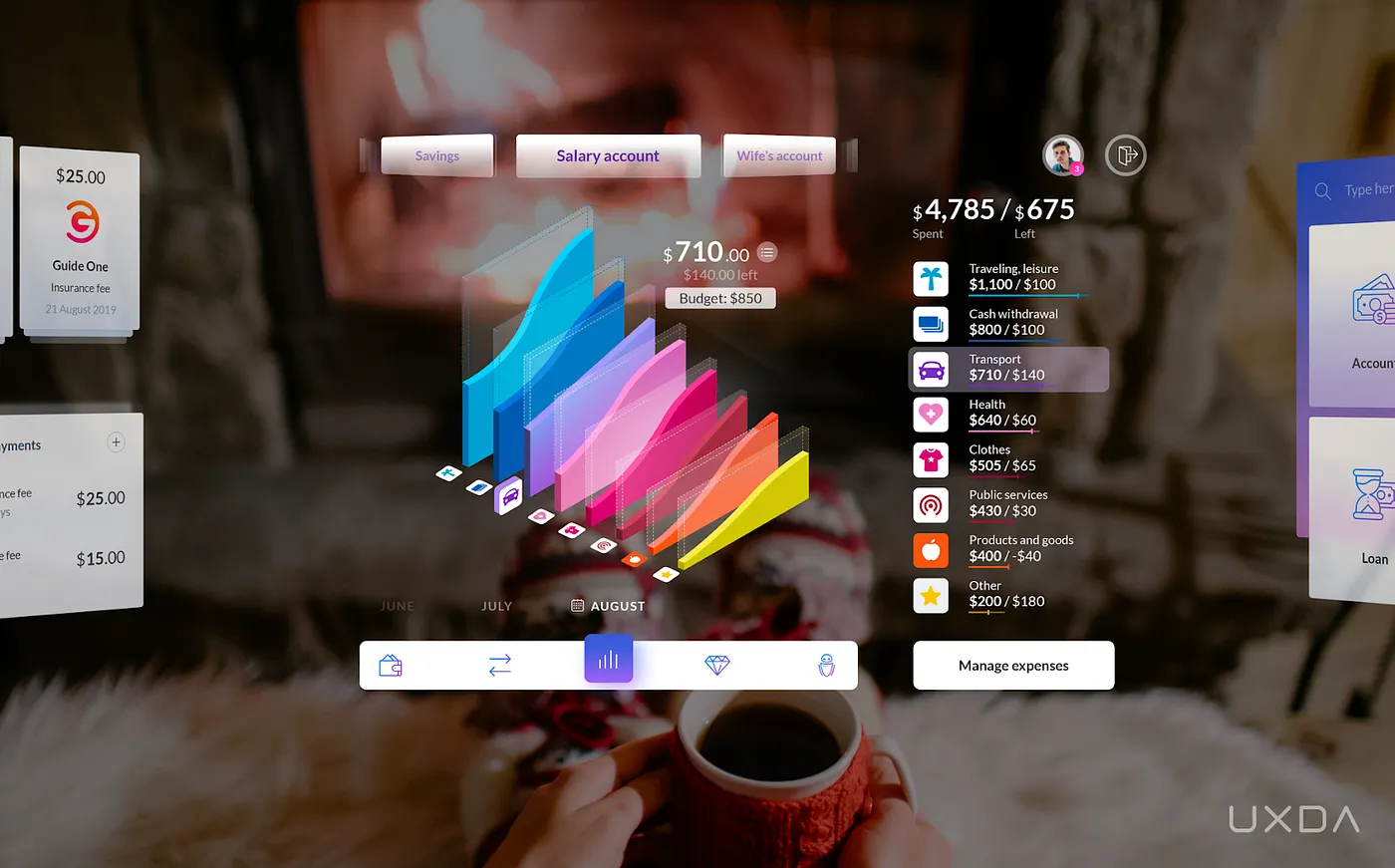
As technologies are constantly evolving, we can surely expect to witness a revolutionary switch to a brand-new digital reality that’s powered by a VR / AR banking experience. A great way to prepare for the future digital reality is to start generating ideas and concepts today by viewing financial products through the lens of the future.